
Why Round Mid-Century Coffee Tables Are Timeless Classics
The appeal of mid-century modern furniture has endured for decades, and with good reason. These pieces capture a perfect balance of form and function that feels both nostalgic and surprisingly current. But what exactly makes a coffee table “mid-century modern”? The style is defined by clean lines, organic curves, and a minimalist aesthetic that prioritizes function without sacrificing beauty. The designers of this era stripped away unnecessary ornamentation, focusing instead on honest materials and thoughtful proportions.
Round coffee tables from this design movement offer several distinct advantages over their rectangular counterparts:
- They create better flow in living spaces, allowing for easier movement around the furniture
- Their lack of sharp corners makes them safer in homes with children or in smaller spaces
- The circular shape creates a natural gathering point that encourages conversation
- They soften the often boxy lines of other furniture pieces, creating visual balance
These tables aren’t simply functional pieces—they serve as statement design elements that anchor your living room. The beauty of round mid-century tables lies in their versatility; they can complement various styles that go well with mid-century modern décor, from contemporary minimalist to eclectic bohemian settings.
The design principles that informed these pieces—a focus on functionality, honest materials, and organic forms—emerged from a post-war era when practicality met optimism. Today, these same qualities make mid-century modern round coffee tables highly sought after by those who appreciate thoughtful design that stands the test of time.
Essential Materials in Round Mid-Century Coffee Tables
Timeless Wood Options
Wood remains the quintessential material for authentic mid-century coffee tables, with several species offering distinct characteristics that define the style:
Walnut: The crown jewel of mid-century modern walnut coffee tables, this wood features rich, deep brown tones with occasional purple undertones. Its straight grain pattern is often highlighted by dramatic dark streaking. Walnut offers excellent durability and develops a beautiful patina over time, though it requires regular dusting and occasional oiling to maintain its luster.
Teak: Mid-century modern teak coffee tables showcase this wood’s warm golden-brown color that deepens with age. Highly resistant to water damage and warping, teak contains natural oils that make it exceptionally durable. The straight grain often features subtle variations that add character without overwhelming the clean lines of mid-century design.
Oak: Lighter than walnut or teak, oak provides excellent structural strength with a distinctive open grain pattern. Often finished in honey or blonde tones in mid-century pieces, oak offers remarkable durability at a more accessible price point than walnut or teak.
Birch: With its light color and subtle grain, birch was often used for more affordable mid-century pieces. Sometimes stained to mimic more expensive woods, birch provides good durability though it’s somewhat more susceptible to denting than harder woods.
Glass Elements
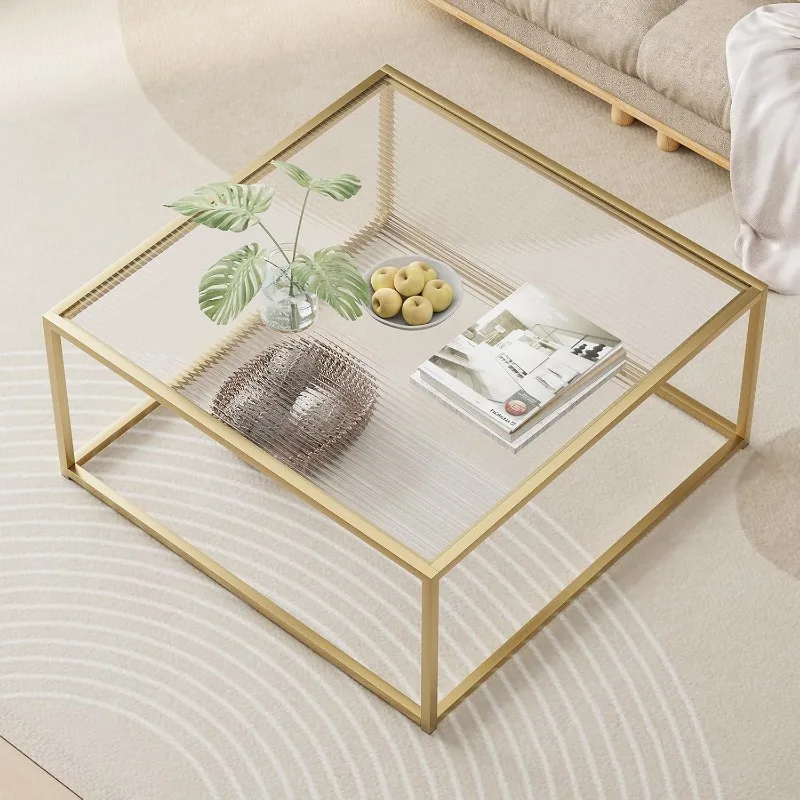
Mid-century modern glass top coffee tables introduce an element of visual lightness that beautifully contrasts with solid wood bases. Typically tempered for safety and durability, glass tops create the impression of a floating surface that draws attention to sculptural bases beneath. The transparency allows the eye to travel through the piece, making it ideal for smaller spaces where visual openness matters. While glass requires regular cleaning to maintain its sparkle, it offers exceptional resistance to heat, stains, and moisture.
Metal Components
Metal elements in mid-century tables typically serve as either structural supports or decorative accents. Tapered legs often feature brass caps or full brass construction, while chrome and stainless steel provide sleek, reflective elements that complement wood components. The marriage of wood and metal creates the material contrast that defines much of mid-century design. Quality pieces feature smooth welds, consistent finishes, and hardware that’s both functional and visually integrated into the overall design.
Stone and Terrazzo
Mid-century modern marble top coffee tables offer luxurious, cool surfaces that create dramatic contrast with wooden bases. White Carrara or black marble were traditional choices, though contemporary interpretations may incorporate green, pink, or gray varieties. Terrazzo—a composite material featuring chips of marble, quartz, granite, or glass set in polished concrete—has experienced a renaissance in modern mid-century inspired pieces, offering unique speckled patterns that add visual interest without overwhelming a space.
Engineered Materials
While solid woods dominate authentic mid-century design, quality veneers played an important role in the democratization of good design. A high-quality veneer applies a thin layer of premium wood over a stable substrate, offering the beauty of expensive woods at a more accessible price point. The best veneered pieces feature consistent grain matching, smooth transitions at edges, and a substrate that remains stable over time. Modern engineered materials can offer sustainability benefits while honoring the aesthetic principles of the original designs.
Best Overall Round Mid-Century Coffee Tables
When evaluating the finest round mid-century coffee tables, we focus on three critical elements: design authenticity, quality construction, and versatility in modern homes. The best pieces seamlessly combine historical accuracy with practical functionality, creating tables that serve as both usable furniture and artistic statements.
Authentic Solid Wood Masterpieces
The most impressive mid-century modern solid wood coffee tables feature single-slab tops with consistent grain patterns flowing across the entire surface. The finest examples maintain the classic 18-inch height that perfectly complements standard sofas while offering a diameter between 36-42 inches—spacious enough for practical use without overwhelming the room.
Look for tables featuring:
– Solid walnut construction with oil finishes that highlight the natural wood grain
– Hand-shaped tapered legs that angle outward at precisely 15 degrees
– Reinforced joinery that allows the piece to age gracefully without wobbling
– Subtle edge detailing that softens the profile without excessive ornamentation
– Proportions that create visual lightness despite substantial construction
These pieces excel in versatility, complementing both minimalist and more eclectic interiors. Their warm wood tones add natural texture while their clean lines prevent visual clutter. The investment in a solid wood table pays dividends in longevity—these pieces typically last decades with proper care.
Sculptural Glass-Top Statements
For those seeking a lighter visual presence, best black mid-century coffee tables with glass tops offer striking alternatives. These designs typically feature:
– 3/8-inch tempered glass for safety and durability
– Sculptural wooden or metal bases that create dramatic shadows and reflections
– Strong geometric elements balanced by organic curves
– Visual “breathing room” that works particularly well in smaller spaces
The transparency of glass makes these pieces particularly effective in apartments or rooms where maintaining visual openness matters. The contrast between solid, sculptural bases and seemingly weightless tops creates the dynamic tension that defines great mid-century design.
What separates exceptional tables from merely good ones is attention to detail—perfectly smooth edge polishing on glass components, seamless transitions between materials, and hardware that disappears into the design rather than interrupting it. The best pieces make bold statements while maintaining the practicality and function that form the core of mid-century philosophy.
Space-Saving Round Mid-Century Tables for Smaller Rooms
In compact living spaces, every inch counts. Fortunately, mid-century design principles naturally lend themselves to space efficiency without sacrificing style. When selecting mid-century modern small coffee tables for apartments or cozy living rooms, consider these optimal dimensions:
- 24-30 inch diameter: Provides adequate surface area while maintaining clear pathways
- 16-18 inch height: Keeps the piece visually aligned with seating
- 2-3 inch clearance between table edge and seating: Allows comfortable access while maximizing space
Nesting Solutions for Ultimate Flexibility
Mid-century modern nesting coffee tables offer perhaps the most ingenious solution for small spaces. These sets typically feature:
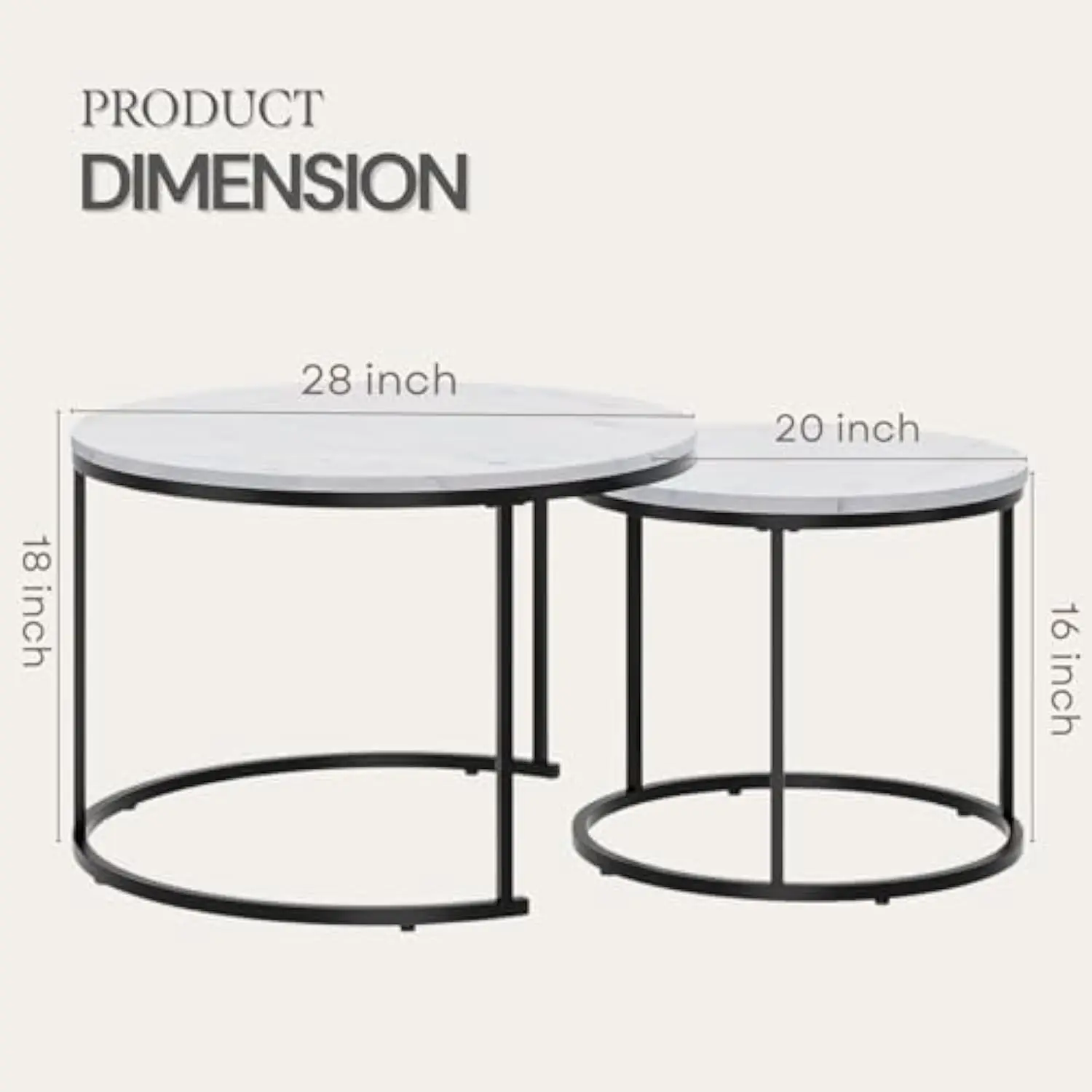
– A primary table (usually 24-28 inches in diameter)
– 1-2 smaller tables (18-22 inches) that tuck neatly underneath
– Consistent design elements that create a cohesive look
– Staggered heights (often 16-18 inches for the main table, 14-16 inches for nesting pieces)
This configuration allows you to expand your surface area when entertaining, then consolidate when not in use. The visual lightness of nesting tables creates breathing room in tight quarters while providing practical functionality.
Dual-Purpose Tables with Hidden Storage
Maximizing black mid-century coffee tables with built-in storage compartments offers another space-saving strategy. Look for:
– Tables with discrete drawers integrated into the apron
– Lift-top mechanisms that reveal storage compartments
– Designs that maintain clean lines despite their storage functionality
– Clever divisions for remote controls, magazines, and other small items
These multifunctional pieces eliminate the need for additional storage furniture, streamlining your space while honoring mid-century principles of practical design.
Visual Tricks for Space Perception
Beyond physical dimensions, certain design elements can make small tables appear proportional in tight spaces:
– Tapered legs that create visual lightness
– Glass tops that reduce visual mass
– Lighter wood finishes that don’t dominate the visual space
– Consistent scale relationships with surrounding furniture
The most effective space-saving tables maintain the essence of mid-century design—clean lines, organic curves, and quality materials—while adapting proportions for contemporary small-space living. The result is furniture that serves its purpose beautifully without overwhelming your room.
Statement Pieces: Sculptural Round Mid-Century Tables
While functionality remains central to mid-century design, some coffee tables transcend mere utility to become sculptural centerpieces. These statement pieces anchor living spaces through distinctive forms that exemplify the artistic side of the movement.
The Pedestal Revolution
Pedestal-based tables eliminated traditional four-legged construction in favor of central supports that create dramatic silhouettes. These designs feature:
– Single central columns that bloom outward to support circular tops
– Organic, tulip-inspired shapes that appear to grow from the floor
– Balanced proportions that create a sense of impossible lightness
– Continuous forms that eliminate visual interruption
The flowing lines of these pieces create a sense of movement despite their static nature. The most successful designs appear simultaneously substantial and weightless—a challenging balance that showcases true design mastery.
Tripod Elegance
Black mid-century coffee table design often features the iconic tripod leg arrangement—perhaps the most recognizable silhouette from the era. These tables showcase:
– Three precisely angled legs radiating from a central point
– Gentle tapering that creates visual tension and grace
– Triangular stability combined with minimal material usage
– Natural wood grain following the angled lines of the legs
The triangular base pattern creates interesting negative space beneath the table, making these pieces as beautiful from below as from above. This thoughtful 360-degree design consideration exemplifies the holistic approach of mid-century designers.
Sculptural Bases as Functional Art
The most distinctive mid-century modern Danish coffee tables feature bases that could stand alone as sculptures. These pieces typically incorporate:
– Interlocking wooden forms that create visual puzzles
– Negative space that’s as carefully considered as the material itself
– Unexpected geometric relationships that draw the eye
– Contrasting materials that highlight structural elements
These tables function as room anchors and conversation starters—pieces that demand attention while still serving their practical purpose. The tension between artistic expression and everyday functionality creates the distinctive character that makes these pieces so enduring.
When selecting a sculptural table, consider the visual weight of other furniture in your space. The most successful rooms allow statement pieces room to breathe, surrounding them with more understated elements that complement rather than compete. This balanced approach lets your sculptural coffee table shine as the masterpiece it was designed to be.
Functional Features: Storage Solutions in Round Mid-Century Tables
While mid-century design celebrates clean lines and visual simplicity, many coffee tables from this era ingeniously incorporate storage without compromising aesthetics. These thoughtful designs address practical needs while maintaining the streamlined look that defines the style.
Traditional Mid-Century Storage Solutions
Original mid-century tables often featured subtle storage elements integrated into their design:
– Shallow apron drawers that seem to disappear into the table’s profile
– Lower shelves positioned to display carefully selected items
– Divided compartments sized perfectly for magazines and small accessories
– Curved drawer fronts that follow the table’s circular shape
These traditional approaches maintain visual lightness while providing practical organization. The best examples feature smooth-sliding hardware and thoughtful internal organization that elevates the user experience.
Modern Interpretations with Enhanced Functionality
Contemporary functional lift-top coffee tables bring modern convenience to classic mid-century profiles. These innovative designs include:
– Lifting mechanisms that raise portions of the table surface for dining or working
– Hidden storage compartments revealed by sliding or rotating elements
– Technology integration with discreet cable management
– Convertible elements that adapt to different functions
Mid-century modern lift-top coffee tables particularly excel at bridging historical design principles with contemporary needs. The lifting mechanism addresses modern concerns (laptop usage, casual dining) while maintaining classic proportions when in the closed position.
Finding the Perfect Balance
When evaluating storage features in mid-century tables, consider how the features of black mid-century coffee tables balance functionality with aesthetic integrity:
– Do storage elements disappear when not in use?
– Does the hardware complement rather than interrupt the design?
– Is the storage actually useful for your specific needs?
– Does the table maintain its intended silhouette despite its additional functionality?
The most successful pieces answer “yes” to all these questions. They demonstrate that practical considerations and beautiful design aren’t opposing forces but complementary aspects of thoughtful furniture creation.
For homes where storage space is at a premium, these multifunctional tables provide elegant solutions that eliminate clutter without sacrificing style. The integration of form and function remains perhaps the most enduring principle of mid-century design—one that continues to make these pieces relevant in contemporary homes.
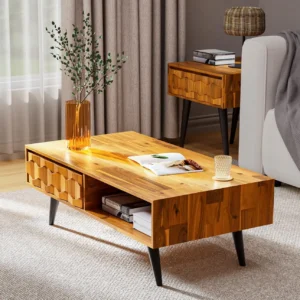

Mid-Century Modern Solid Wood Coffee Tables, Mid-Century Modern Teak Coffee Tables
$879.95 Select options This product has multiple variants. The options may be chosen on the product page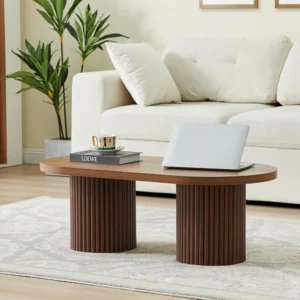
Mid-Century Modern Danish Coffee Tables, Mid-Century Modern Oval Coffee Tables, Mid-Century Modern Solid Wood Coffee Tables
$390.05 Select options This product has multiple variants. The options may be chosen on the product page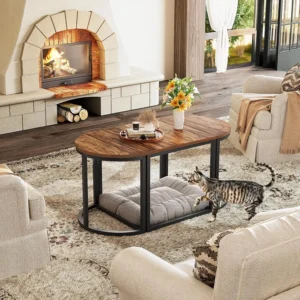
Mid-Century Modern Coffee & End Table Sets, Mid-Century Modern Coffee Table Sets, Mid-Century Modern Oval Coffee Tables
Price range: $257.48 through $331.04 Select options This product has multiple variants. The options may be chosen on the product page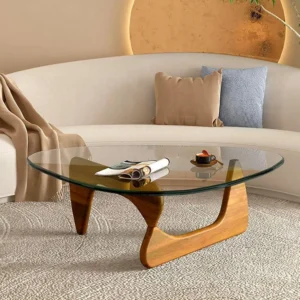
Mid-Century Modern Glass Top Coffee Tables, Mid-Century Modern Glass Top Side & End Tables
$460.58 Select options This product has multiple variants. The options may be chosen on the product page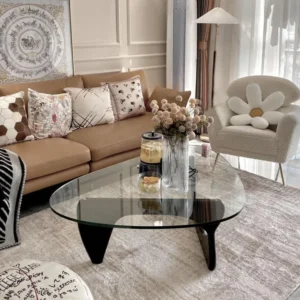
Mid-Century Modern Glass Top Coffee Tables, Mid-Century Modern Vintage Coffee Tables, Mid-Century Modern Vintage Side & End Tables
$725.36 Select options This product has multiple variants. The options may be chosen on the product page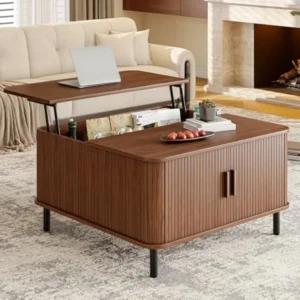
Mid-Century Modern Lift Top Coffee Tables, Mid-Century Modern Square Coffee Tables
$454.73 Select options This product has multiple variants. The options may be chosen on the product page
Budget-Friendly Round Mid-Century Coffee Tables
Quality mid-century design needn’t break the bank. Understanding what constitutes value in these pieces helps you make smart purchases that balance cost considerations with design integrity and longevity.
Understanding Value Beyond Price Tags
When evaluating budget-friendly options, consider these factors beyond the simple price:
– Construction quality: Even lower-priced tables should feature stable joints and sturdy materials
– Design authenticity: Do the proportions and lines honor true mid-century principles?
– Material honesty: Are materials presented authentically rather than disguised as something they’re not?
– Finish quality: Even budget pieces should have consistent, durable finishes
The best value isn’t necessarily the lowest price—it’s the intersection of quality, design integrity, and cost that provides lasting satisfaction.
Quality Options Under $300
In the more accessible price range, look for:
– Tables with engineered wood cores and quality veneer finishes
– Simplified versions of classic designs that maintain key proportions
– Smaller diameter options (24-30 inches) that require less material
– Limited edition reproductions from reputable manufacturers
Mid-century modern vintage coffee tables often provide excellent value, as these pieces were frequently built to higher standards than many contemporary options. While they may show signs of use, their construction quality often surpasses that of new budget options.
Common Compromises in Lower-Priced Options
Understanding where manufacturers typically cut costs helps you evaluate which compromises you can accept:
– Veneers instead of solid wood (acceptable if well-executed)
– Simplified joinery methods (look for reinforced connections)
– Thinner material dimensions (may impact longevity)
– Less refined finishing details (should still be consistent)
The key is identifying which elements matter most to you. If authentic materials are your priority, consider a smaller solid wood table rather than a larger veneer piece. If size matters more, a well-executed veneer might be the better choice.
Signs of Quality Regardless of Price
Even budget-friendly tables should exhibit these quality indicators:
– Consistent gaps between components
– Smooth, even finishes without rough spots
– Stable construction without wobbling
– Hardware that integrates seamlessly into the design
– Proper proportional relationships between elements
These characteristics indicate attention to detail that transcends price points and suggests a piece that will provide lasting value.
Sizing and Proportions: Finding the Perfect Dimensions
Selecting the right size coffee table is perhaps the most critical yet often overlooked aspect of finding your perfect match. Proper sizing creates both visual harmony and functional comfort in your living space.
Standard Height Considerations
The height relationship between your seating and coffee table creates the foundation for comfortable use:
– 16-18 inches is the ideal height range for most settings
– The table should be equal to or slightly lower than your sofa seat height
– A difference of no more than 2 inches between sofa seat and table height ensures comfortable use
This height range allows for comfortable access while seated and creates proper visual proportion with standard sofa heights of 17-19 inches.
Determining Optimal Diameter
The right diameter depends primarily on your seating arrangement:
– For average living rooms with a standard sofa and 1-2 chairs: 36-42 inches
– For compact spaces or apartment settings: 24-30 inches
– For larger conversation areas with sectional seating: 48 inches or larger
As a general rule, your coffee table should measure approximately two-thirds the length of your primary sofa to maintain proper visual proportion.
Critical Clearance Guidelines
Proper spacing around your table ensures comfortable navigation and use:
– Maintain 18 inches minimum between table edge and seating
– Allow 24-30 inches between the table and TV stand or fireplace
– Ensure walkways around the table are at least 30 inches wide
These clearances prevent the cramped feeling that comes from furniture placed too closely together while maintaining convenient access to the table from seated positions.
Scale Relationships for Visual Harmony
Beyond functional considerations, visual proportion matters tremendously:
– The visual “weight” of your table should balance with surrounding furniture
– Heavier, solid tables work well with substantial upholstered pieces
– Lighter tables with glass tops or slender legs pair better with visually lighter seating
– The table should never appear to float in too large a space or crowd a too-small area
When these proportions are correctly balanced, the entire room feels intentionally designed rather than randomly assembled—the hallmark of successful interior composition.
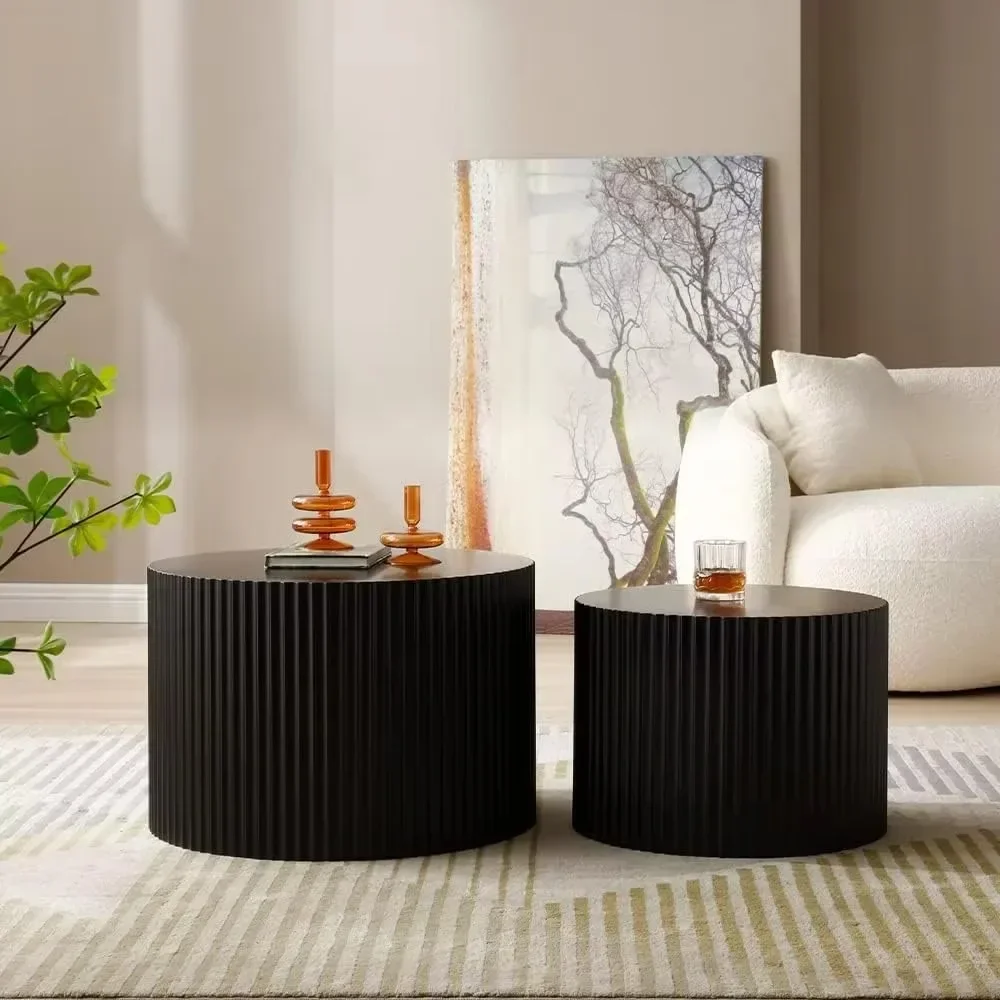
How to Style Your Round Mid-Century Coffee Table
Once you’ve found your perfect mid-century coffee table, thoughtful styling enhances both its beauty and functionality. The goal is creating an arrangement that showcases the table’s design while serving your practical needs.
The Rule of Three
Professional designers often rely on this fundamental styling principle:
– Group items in odd numbers (primarily threes) for visual interest
– Vary the height of grouped objects to create dynamic composition
– Include items with contrasting textures (smooth, rough, reflective)
– Incorporate different scales to create visual hierarchy
This approach creates balanced asymmetry that feels intentional without appearing rigid or contrived.
Balancing Function and Decoration
The most successful coffee table styling acknowledges the surface’s dual purpose:
– Designate areas for practical use (setting down drinks, remote controls)
– Create “zones” with trays or books that can be easily moved when needed
– Ensure at least 1/3 of the surface remains available for actual use
– Select decorative items that can be easily relocated when more surface area is needed
Styling black mid-century coffee tables works best when practical considerations inform aesthetic choices, honoring the functionalist philosophy that defined the original designs.
Period-Appropriate Styling Elements
Certain accessories naturally complement the mid-century aesthetic:
– Sculptural brass objects with organic forms
– Low, wide ceramic vessels in earth tones or matte glazes
– Art books featuring geometric cover designs
– Natural elements like wood spheres or polished stones
– Handcrafted items with clean lines and minimal ornamentation
These elements echo the materials and forms found in the furniture itself, creating cohesive visual relationships that enhance the overall design.
Modern Styling That Complements
Contemporary elements can successfully mix with mid-century pieces when they share certain qualities:
– Clean lines without excessive ornamentation
– Materials that echo those used in mid-century design
– Balanced proportions that don’t overwhelm the table itself
– Colors that complement rather than compete with wood tones
Decorating black mid-century coffee tables with a mix of vintage and contemporary items creates depth and prevents your space from feeling like a museum exhibit. This approach honors design history while acknowledging your present-day lifestyle.
For a comprehensive look at integrating these tables into complete design schemes, exploring black coffee tables in mid-century interiors provides additional context and inspiration for creating harmonious living spaces centered around these iconic pieces.
Quality Indicators: What to Look For When Buying
Identifying quality in mid-century coffee tables requires attention to specific details that indicate craftsmanship, material integrity, and thoughtful design. These indicators help you distinguish exceptional pieces from mere lookalikes.
Construction Details That Signal Quality
Superior craftsmanship reveals itself in the connections between components:
– Dovetail or finger joints in drawer construction
– Mortise and tenon joinery in leg attachments
– Reinforced corner blocks at stress points
– Smooth, tight-fitting joints without gaps or excess glue
– Consistent wood grain direction that shows intentional material selection
These construction methods require more skill and time than mass-production shortcuts, resulting in furniture that maintains structural integrity for decades rather than years.
Material Authenticity Verification
Understanding materials helps you evaluate a table’s quality and value:
– Solid wood pieces should have consistent grain patterns that continue across edges
– Veneers should be thick enough to resist chipping (at least 1/16 inch)
– Glass should be tempered for safety (look for etched certification mark)
– Metal components should have substantial weight and consistent finishes
– Solid wood coffee table materials should show natural variations rather than perfectly uniform coloration
Authentic materials age gracefully, developing character rather than deteriorating over time—a key consideration for investment pieces.
Weight as Quality Indicator
Substantial weight typically indicates quality construction and materials:
– Solid wood tables feel significantly heavier than particleboard alternatives
– Glass tops should have noticeable weight and thickness (3/8 inch minimum)
– Metal components should feel substantial rather than hollow or flimsy
– Even small tables should feel surprisingly heavy for their size when built properly
While lightweight design can be intentional, unexpectedly light pieces often indicate compromised construction methods or inferior materials.
Hardware Quality Assessment
Even small hardware components reveal overall quality standards:
– Drawer glides should operate smoothly without sticking
– Metal hinges should feature solid construction without hollow portions
– Adjustable feet should turn easily while maintaining stability
– Screws should seat fully into pre-drilled holes of appropriate size
– Handles should attach securely without wiggling
Quality hardware not only functions better initially but also allows for adjustments and repairs over time—an essential consideration for long-term ownership.
The mid-century modern coffee tables that best exemplify these quality indicators become pieces you’ll treasure for decades, potentially passing down to future generations. Understanding these details helps you make informed purchases regardless of price point or retailer.
Care and Maintenance for Lasting Beauty
Proper maintenance ensures your mid-century coffee table remains beautiful for generations. Different materials require specific care approaches to preserve their distinctive qualities and prevent damage.
Wood Care Essentials
The natural beauty of wood requires regular attention to maintain its luster:
– Dust weekly with a soft, lint-free cloth moving in the direction of the grain
– Clean spills immediately to prevent moisture damage and staining
– Apply appropriate wood polish or oil every 3-6 months to maintain moisture balance
– Use coasters consistently to prevent water rings and heat damage
– Position tables away from direct sunlight to prevent uneven fading
For tables with oil finishes (common in authentic mid-century pieces), occasional reapplication of oil refreshes the wood’s natural beauty and provides protection against drying and cracking. Tables with lacquer or polyurethane finishes require less frequent maintenance but benefit from occasional polish application.
Glass Surface Maintenance
Glass tops require regular attention to maintain their crystal-clear appearance:
– Clean with a quality glass cleaner and microfiber cloth to prevent streaking
– Address fingerprints and smudges promptly to prevent buildup
– Use felt pads under any items placed directly on glass to prevent scratches
– Avoid dragging objects across the surface, which can cause microscratches
– Check occasionally for any chips or cracks that could compromise structural integrity
Tempered glass, while highly durable, can still be scratched by abrasive materials or cleaners. Using soft cloths and appropriate glass cleaners maintains both appearance and longevity.
Metal Component Care
Metal elements require specific maintenance to prevent tarnishing and corrosion:
– Clean brass with appropriate metal polish to maintain warm luster
– Wipe chrome or stainless steel with a damp cloth followed by a dry buffing
– Apply a thin coat of quality wax to uncoated metals to prevent oxidation
– Check for any loose connections where metal meets wood components
– Touch up any nicks in metal finishes promptly to prevent spreading
Most metal components in quality mid-century tables feature protective finishes that minimize maintenance requirements while preserving the distinctive appearance of each metal type.
Addressing Common Issues
Even well-maintained tables occasionally develop issues that require attention:
– Water rings: Apply mayonnaise or a mixture of olive oil and salt, leaving overnight before gently buffing
– Light scratches: Use appropriate color-matched furniture markers followed by polish
– Sun damage: Rotate the table periodically to promote even aging
– Wobbling: Check and tighten all hardware connections or adjust leveling feet
– Stuck drawers: Apply quality furniture wax to drawer glides for smooth operation
Addressing these common issues promptly prevents them from developing into more significant problems that might compromise your table’s structure or appearance.
Where to Shop for Authentic Round Mid-Century Coffee Tables
Finding the perfect mid-century coffee table requires knowing where to look beyond mainstream furniture retailers. Different shopping channels offer distinct advantages depending on your priorities for authenticity, price, and convenience.
Specialized Mid-Century Retailers
Dedicated mid-century furniture shops offer several advantages:
– Curated selections with verified authenticity
– Knowledgeable staff who understand design history
– Proper restoration of vintage pieces
– Quality assurance beyond mass-market retailers
These specialized shops typically maintain higher standards for the pieces they sell, though this expertise comes with corresponding price points. They’re ideal for those seeking investment-quality pieces with verified provenance.
Online Marketplaces
Digital platforms have dramatically expanded access to mid-century furniture:
– Vast selection across all price points
– Ability to search specific designers or materials
– Options for both new reproductions and authentic vintage pieces
– Direct comparison of similar items from different sellers
The challenge with online shopping lies in accurately assessing quality without physical inspection. Look for listings with detailed photos showing construction details, honest descriptions of any flaws, and clear return policies.
Price Range Expectations
Understanding typical price ranges helps set realistic expectations:
– Entry-level reproductions: $200-500
– Quality new productions with authentic materials: $500-1,500
– Restored vintage pieces: $800-2,500+
– Iconic designer originals: $2,000+
These ranges vary based on size, materials, condition, and designer attribution. Recognizing black mid-century modern coffee table styles helps you identify value regardless of price point—authentic design principles transcend budget categories.
Shopping Experience Differences
Consider how different shopping channels align with your preferences:
– In-person shopping allows tactile assessment of quality and finish
– Online shopping offers broader selection and convenient comparison
– Vintage shops provide unique character and potential for discovery
– Custom makers offer personalization within mid-century design parameters
The ideal approach often combines these channels—researching online to understand options, then examining similar pieces in person before making final decisions on significant purchases.
Finding Your Perfect Match: Decision-Making Framework
With so many beautiful options available, finding your ideal mid-century coffee table requires a structured approach that balances aesthetic preferences with practical considerations.
Prioritizing Features Based on Personal Needs
Begin by ranking these factors according to your specific situation:
– Visual impact vs. functional utility
– Material durability vs. design purity
– Storage requirements vs. visual lightness
– Original vintage vs. contemporary reproduction
– Investment value vs. immediate budget constraints
Understanding your priorities creates a decision framework that simplifies the selection process. For example, if you have young children, durability might outweigh having an authentic vintage piece with original finish.
Space Assessment and Measurement
Before falling in love with any specific table, evaluate your space:
– Measure your seating area to determine optimal diameter
– Consider ceiling height when evaluating table height
– Map traffic patterns to ensure comfortable flow around the table
– Assess existing furniture to determine complementary scale
– Consider how the table’s visual weight will affect spatial perception
These physical considerations create non-negotiable parameters that narrow your options to those that will function properly in your space.
Budget Considerations Beyond Purchase Price
Factor these additional considerations into your budget planning:
– Delivery costs (particularly for heavy solid wood pieces)
– Any restoration or refinishing needs for vintage pieces
– Appropriate cleaning products for ongoing maintenance
– Potential future value appreciation or depreciation
– Expected lifespan relative to initial investment
The true value equation extends beyond the purchase price to include these long-term considerations that affect overall ownership satisfaction.
Harmonizing with Existing Decor
Your coffee table should complement rather than compete with your existing interior:
– Consider how wood tones interact with existing furniture
– Evaluate how the table’s silhouette relates to other pieces
– Assess whether the table’s visual “weight” balances with surrounding furniture
– Determine if the style authenticity matches your overall design approach
– Consider how the table relates to your flooring material and color
The most successful selections create relationships with existing elements while adding something new to the composition.
By thoughtfully applying this decision framework, you’ll identify tables that not only appeal to your aesthetic sensibilities but also serve your practical needs and integrate seamlessly with your living environment—the hallmark of truly successful mid-century design.
Why Invest in Quality: The Long-Term Value Proposition
Choosing a quality mid-century coffee table represents more than a simple furniture purchase—it’s an investment in enduring design that offers multiple forms of value over time.
Longevity of Well-Constructed Pieces
Quality mid-century tables demonstrate remarkable durability:
– Solid wood construction can last generations with proper care
– Superior joinery maintains structural integrity despite regular use
– Quality materials age gracefully, developing character rather than deteriorating
– Proper construction techniques allow for repairs when necessary
– Original vintage pieces have already proven their durability over decades
This physical longevity translates directly to financial value—a well-made table might last 50+ years compared to 5-10 years for disposable furniture, dramatically reducing the lifetime cost of ownership.
Timeless Design Beyond Trends
Mid-century design has demonstrated remarkable staying power for specific reasons:
– Clean, simple forms that resist dating
– Functional proportions based on human ergonomics that remain relevant
– Material honesty that connects with our desire for authenticity
– Visual lightness that works in various interior styles
– Balanced proportions that satisfy our innate sense of visual harmony
While trendy furniture quickly looks dated, authentic mid-century pieces maintain their appeal across decades and varying interior styles. This design longevity means your investment remains visually relevant far longer than trend-driven alternatives.
Resale Value Considerations
Quality mid-century pieces often maintain—and sometimes increase—their value:
– Well-preserved vintage pieces typically appreciate over time
– Quality reproductions retain significant percentage of their value
– Recognized designs have established secondary markets
– Solid construction ensures the piece remains sellable if your needs change
– Timeless design appeal ensures ongoing demand
Unlike most furniture purchases that represent sunk costs, quality mid-century pieces can often be resold for substantial portions of their purchase price should your needs or preferences change.
Sustainability Through Durability
In an era of increasing environmental awareness, durable furniture represents responsible consumption:
– Longer lifespan means fewer pieces in landfills
– Quality construction typically uses more sustainable production methods
– Solid wood captures carbon for the life of the piece
– Repairable construction reduces waste
– Timeless design reduces the environmental cost of frequent replacements
By choosing quality over quantity, your furniture investment aligns with environmental values while providing superior long-term satisfaction.
The true value of a quality mid-century coffee table emerges over years of ownership—through daily enjoyment, reduced replacement costs, potential appreciation, and environmental benefits. This comprehensive value proposition makes these pieces worthy investments rather than mere purchases, exemplifying the enduring wisdom found in the best mid-century design.