
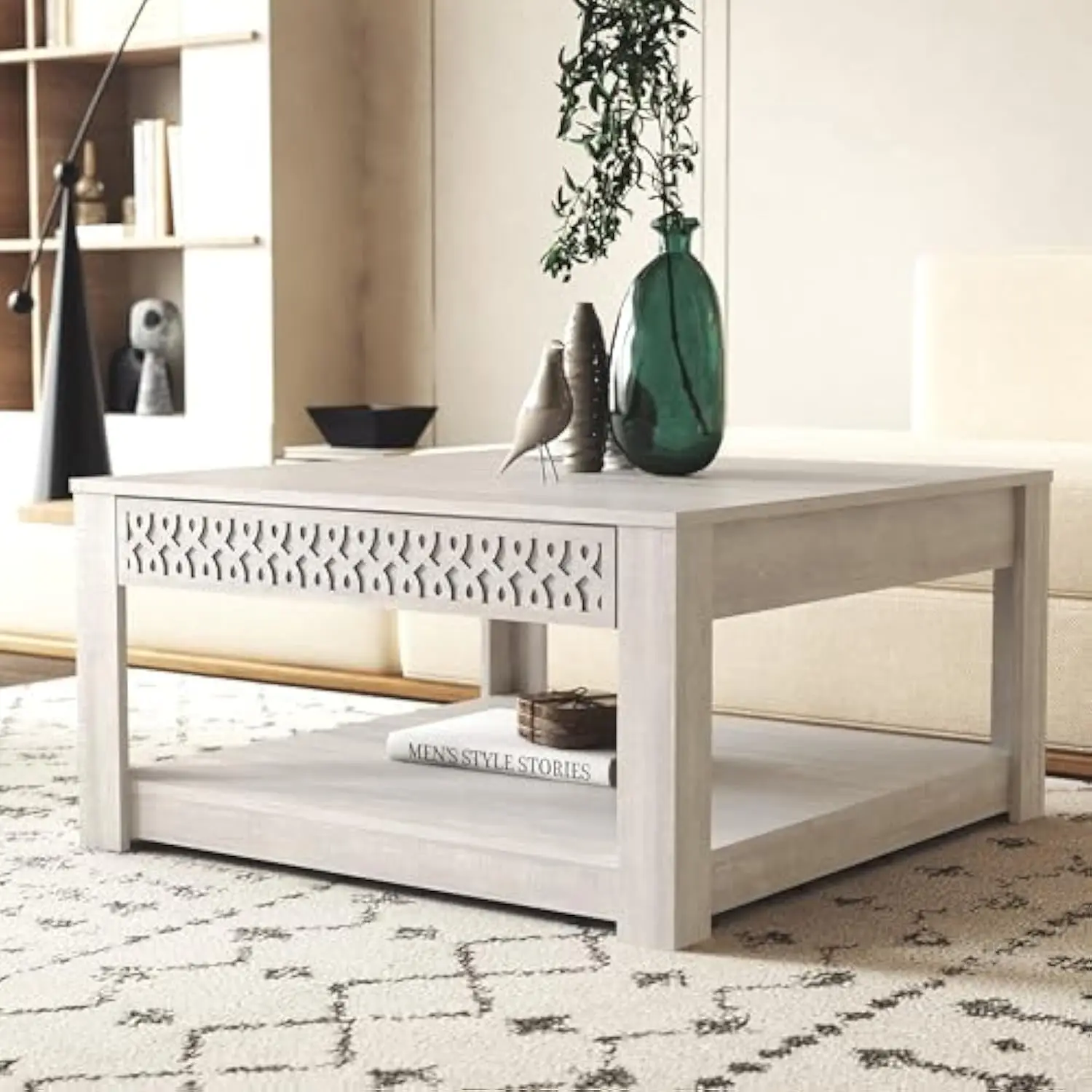
The Essence of Nordic Design Philosophy in Table Creation
Nordic design philosophy represents a distinctive approach to furniture creation that has captivated the world with its timeless appeal and thoughtful execution. At its core, Nordic table design embodies a perfect harmony between form and function, creating pieces that are both beautiful and practical for everyday use.
The fundamental Nordic principles that guide table design include:
- Simplicity that eliminates unnecessary elements
- Functionality that prioritizes everyday usability
- Strong connections to nature through materials and forms
- Clean lines that create visual calm
- Honest construction that celebrates craftsmanship
These tables are far more than functional objects—they are direct expressions of cultural values, environmental adaptations, and historical contexts that have shaped the Nordic regions for centuries. Each carefully crafted piece reflects the broader Scandinavian lifestyle and ethos of balanced living.
The silhouettes of Nordic tables often feature subtle yet distinctive elements that immediately identify their design heritage. Many of these pieces revolve around the cultural concept of “hygge” (pronounced hoo-gah)—the Danish notion of coziness and comfortable conviviality that promotes wellbeing, particularly around gathering spaces like dining and coffee tables.
Understanding intelligent black mid-century coffee tables provides valuable context about how mid-century designs incorporated and adapted Nordic influences. The fundamental key features of Scandinavian furniture continue to influence contemporary table creation, establishing an enduring legacy that transcends fleeting trends.
Core Principles That Define Nordic Table Design
Minimalism and Clean Aesthetics
The “less is more” philosophy stands as one of the most recognizable aspects of Nordic table design. This approach focuses on eliminating unnecessary ornamentation in favor of clean lines and uncluttered surfaces. Each element serves a purpose, with nothing superfluous or purely decorative.
This commitment to simplicity creates visual calm in living spaces, allowing the natural beauty of materials to take center stage. The restrained aesthetic also contributes to the timeless appeal of Nordic tables—they rarely appear dated because they avoid trendy embellishments in favor of enduring design elements.
Many black mid-century coffee table designs exemplify these minimalist principles with their clean lines and thoughtful proportions, showing how Nordic influences shaped furniture beyond Scandinavia’s borders.
Form Following Function
Nordic table design begins with a fundamental question: “How will this piece be used?” Rather than starting with decorative concerns, designers consider practical needs first, ensuring each piece serves its intended purpose beautifully.
This functionality-first approach shapes everything from table dimensions to structural elements. The height of dining tables accommodates comfortable seating, coffee tables feature proportions ideal for casual gatherings, and side tables provide practical surfaces where most needed.
Exploring mid-century modern solid wood coffee tables reveals how deeply this principle of functional form influenced an entire generation of furniture design.
Honest Materials and Natural Elements
Nordic table design shows profound respect for materials, particularly locally-sourced woods that celebrate their natural characteristics. Light-colored species like oak, ash, birch, and pine dominate the palette, chosen not only for their availability in the region but also for their ability to brighten interior spaces.
Finishes typically enhance rather than mask the inherent beauty of the wood. Light oils and waxes that protect while allowing grain patterns and natural coloration to remain visible are preferred over heavy stains or opaque paints.
This material honesty creates tactile connections to nature, bringing organic elements into home environments and fostering a sense of harmony between indoor and outdoor spaces.
Light-Enhancing Properties
In regions where winter daylight is scarce, maximizing available light becomes crucial. Nordic table design reflects this environmental reality through light-colored surfaces that reflect rather than absorb illumination.
Table placement often considers light sources, with pieces positioned to avoid blocking windows or casting unnecessary shadows. Even table heights and proportions may be calculated to maximize light flow through a space.
The mid-century modern Danish coffee tables collection showcases this authentic approach, with designs that enhance rather than impede the movement of light throughout living spaces.
Environmental and Cultural Influences on Nordic Tables
Adapting to the Nordic Climate
The long, dark Nordic winters have profoundly shaped furniture design across Scandinavia. With daylight severely limited during winter months, creating bright, warm interiors becomes essential for wellbeing. Tables with lighter wood tones and reflective surfaces help maximize available light, creating spaces that feel airy and inviting even during the darkest season.
The concept of “hygge” emerged as a response to these challenging conditions, emphasizing the importance of creating cozy, comfortable gathering spaces. Tables serve as central elements in this pursuit of coziness, providing gathering points where friends and family connect over meals, games, or conversation.
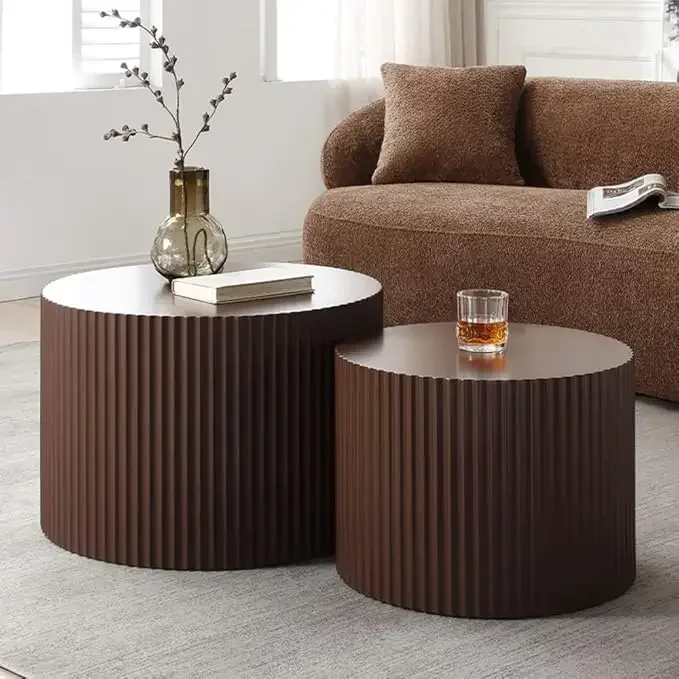
The indoor-focused lifestyle during harsh winters necessitates furniture that supports various activities and adapts to changing needs. Mid-century modern nesting table sets beautifully demonstrate this adaptability principle, providing flexible surface options that can be expanded or contracted as needed.
Societal Values Reflected in Design
Nordic societies have long embraced democratic ideals that emphasize equality, accessibility, and unpretentiousness. These values translate directly into table design through forms that appear welcoming rather than imposing or status-oriented.
The cultural emphasis on equality manifests in modest, functional tables that serve their purpose without unnecessary flourishes that might signal wealth or status. This design approach makes beautiful furniture accessible to many rather than reserved for the elite.
The importance of shared mealtimes and social connection shapes dining tables in particular, with proportions that encourage conversation and engagement rather than formality or hierarchy. Scandinavian Danish coffee table design further demonstrates how these social values embed themselves in furniture created specifically for relaxed gatherings.
Resource Consciousness and Sustainability
Historical resource limitations in the Nordic regions fostered a tradition of efficiency and waste reduction that continues to influence contemporary design. Table construction methods evolved to maximize material utility with minimal waste, often incorporating clever joinery techniques that eliminate the need for additional hardware or support elements.
This resource-conscious approach has evolved naturally into today’s focus on sustainability and ecological responsibility. Many contemporary Nordic-inspired tables maintain these traditional values through responsibly sourced materials, non-toxic finishes, and construction methods that ensure longevity rather than planned obsolescence.
Distinctive Features of Nordic Table Design
Structural Characteristics
Nordic tables typically feature distinctive silhouettes characterized by clean lines and balanced proportions. Their visual identity often comes from subtle details rather than bold statements—the gentle taper of a leg, the thoughtful rounding of an edge, or the careful balance between different elements.
Tapered legs represent one of the most recognizable features, creating visual lightness that makes pieces appear to float rather than dominate a space. These slender supports often angle slightly outward, improving stability while adding dynamic visual interest.
Edge treatments tend toward the subtle—slight roundovers that soften interaction points or gentle bevels that create pleasing shadow lines. These details enhance usability while maintaining the overall minimal aesthetic.
Joinery techniques combine functionality with visual simplicity, often featuring connections that require no visible hardware or decorative covers. This clean approach to construction contributes to the uncluttered appearance that defines Nordic style.
Mid-century modern walnut coffee tables demonstrate many of these distinctive structural elements, showing how these principles translate across different wood species.
Material Selection and Treatment
While light-colored hardwoods dominate Nordic table design, the approach to these materials shows remarkable nuance. Woods are often selected for specific characteristics—ash for its distinctive grain pattern, oak for its durability, birch for its smooth, consistent appearance.
Finishing techniques focus on preserving and enhancing natural wood grain rather than concealing it. Light oils, waxes, and translucent sealers protect the surface while allowing the material’s inherent beauty to remain visible.
Thoughtful material combinations occasionally introduce subtle contrasts—the warmth of wood complemented by cool glass elements, or natural textures enhanced by minimal metal accents. These combinations create visual interest without overwhelming the senses.
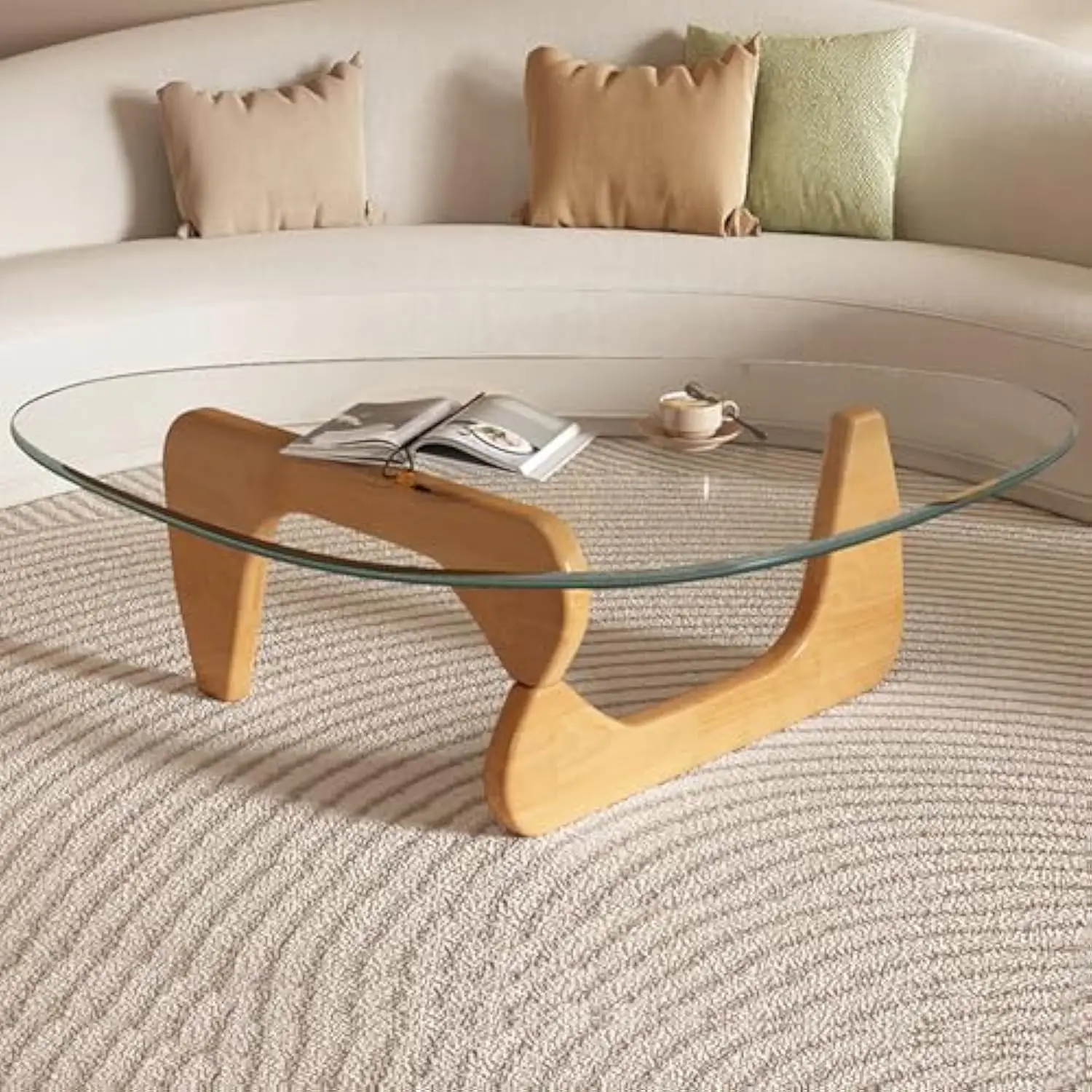
Mid-century modern glass top coffee tables showcase how transparent elements can enhance Nordic design principles by maximizing light flow and creating visual lightness.
Functional Innovations
Nordic table design often incorporates clever functional elements that enhance versatility without compromising aesthetic integrity. Extendable surfaces allow dining tables to accommodate varying numbers of guests while maintaining ideal proportions for everyday use.
Integrated storage solutions appear in coffee tables with discreet drawers or shelves, side tables with multi-level surfaces, or dining tables with thoughtful compartments for linens or serving items.
This adaptability extends to accommodating various home environments and activities. Tables may feature height-adjustable elements, movable components, or proportions carefully calculated to serve multiple purposes throughout changing seasons and lifestyles.
Historical Evolution of Nordic Table Design
Early Foundations (Early 20th Century)
Nordic table design began its transformation from traditional folk craft to modern design language in the early 20th century. This evolution represented both a continuation of craft traditions and a reaction against the ornate, heavily decorated styles that dominated much of Europe.
As designers began prioritizing function and simplicity, a new design language emerged that would eventually define Scandinavian style. Early pioneers established core principles that would guide generations of furniture makers, emphasizing honest construction, respect for materials, and practical usability.
Understanding Danish coffee table construction craft provides valuable insight into the traditional techniques that influenced modern Nordic design approaches, creating a foundation of quality and craftsmanship.
The Golden Age (1930s-1970s)
The mid-20th century witnessed an explosion of creativity and international recognition for Nordic design. Major exhibitions and design events introduced these distinctively functional yet beautiful tables to global audiences, sparking widespread appreciation and influence.
Cross-pollination occurred with other movements like Bauhaus and broader modernism, creating a rich dialogue between different approaches to functional design. Nordic designers maintained their distinctive emphasis on warmth, natural materials, and human-centered proportions while incorporating new ideas and technologies.
This period produced many of the iconic table designs that continue to influence furniture creation today, establishing principles and approaches that transcend specific time periods.
Contemporary Interpretations
Modern Nordic designers continue balancing tradition with innovation, honoring established principles while exploring new materials, manufacturing methods, and environmental approaches. Contemporary tables maintain the core values of simplicity, functionality, and material honesty while addressing modern needs and concerns.
Current trends emphasize sustainability through responsibly sourced materials, non-toxic finishes, and construction methods that ensure longevity. The global influence of Nordic table design principles extends far beyond Scandinavia, inspiring furniture creators worldwide.
Styles that go well with mid-century modern design showcase how Nordic influences continue evolving and adapting to contemporary spaces and preferences.
Iconic Nordic Table Designs and Their Legacy
Signature Table Designs
The Nordic design tradition has produced numerous influential table designs that exemplify its core principles while introducing innovations that changed furniture design forever. These iconic pieces demonstrate how simple, thoughtful solutions can create enduring appeal.
Dining tables with clean lines and expandable surfaces solved practical problems while maintaining visual harmony. Coffee tables with organic shapes and multi-functional elements brought both practicality and natural beauty into living rooms. Side tables with minimal footprints and maximum utility demonstrated the elegant efficiency that defines Nordic design.
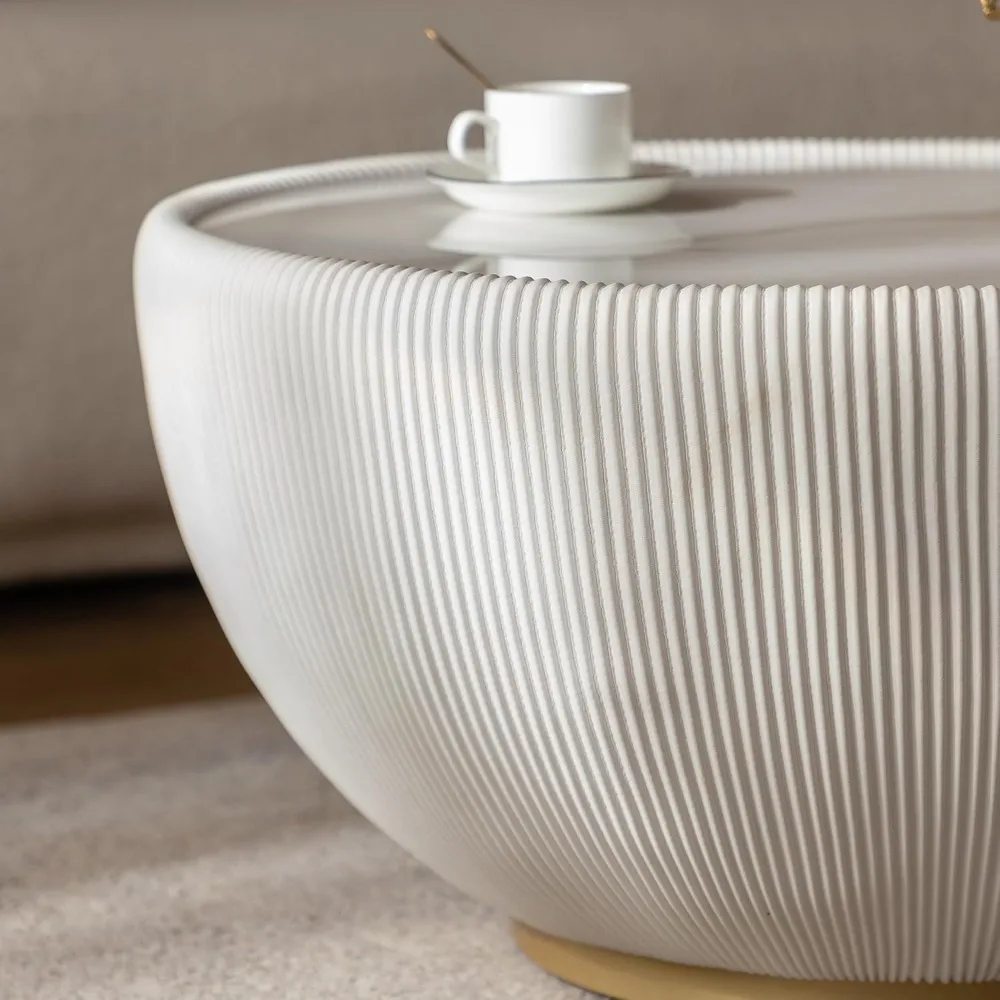
Mid-century modern white coffee tables continue this tradition of light-colored surfaces that maximize brightness in interior spaces while providing functional gathering points.
Contemporary Applications
Classic Nordic table designs continue influencing modern interiors far beyond Scandinavian borders. Their neutral aesthetic and functional approach allow them to complement various interior styles from minimalist to eclectic, industrial to traditional.
Contemporary designers regularly reinterpret these classics with subtle adaptations for modern living—adjustments to height for contemporary seating, proportions suited to smaller urban dwellings, or material selections that address current environmental concerns.
The versatility of Nordic-inspired tables allows them to enhance spaces without demanding attention, creating harmonious environments where every element serves both practical and aesthetic purposes.
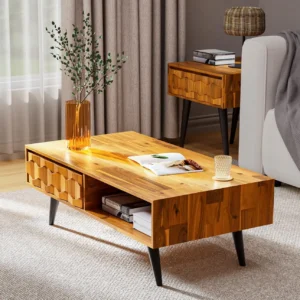

Mid-Century Modern Solid Wood Coffee Tables, Mid-Century Modern Teak Coffee Tables
$879.95 Select options This product has multiple variants. The options may be chosen on the product page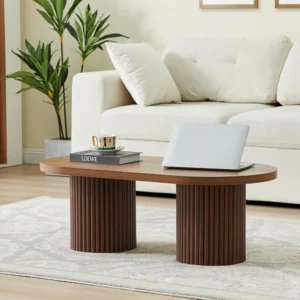
Mid-Century Modern Danish Coffee Tables, Mid-Century Modern Oval Coffee Tables, Mid-Century Modern Solid Wood Coffee Tables
$390.05 Select options This product has multiple variants. The options may be chosen on the product page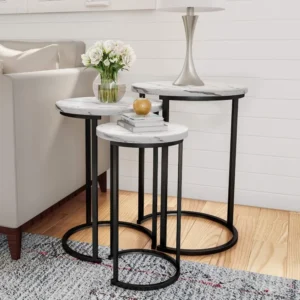
Mid-Century Modern Nesting Side & End Tables, Mid-Century Modern Nesting Table Sets, Mid-Century Modern Round Side & End Tables
Price range: $239.35 through $273.06 Select options This product has multiple variants. The options may be chosen on the product page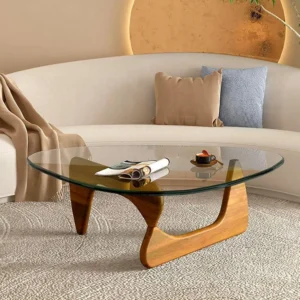
Mid-Century Modern Glass Top Coffee Tables, Mid-Century Modern Glass Top Side & End Tables
$460.58 Select options This product has multiple variants. The options may be chosen on the product page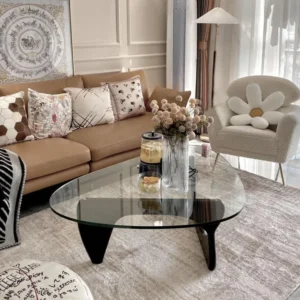
Mid-Century Modern Glass Top Coffee Tables, Mid-Century Modern Vintage Coffee Tables, Mid-Century Modern Vintage Side & End Tables
$725.36 Select options This product has multiple variants. The options may be chosen on the product page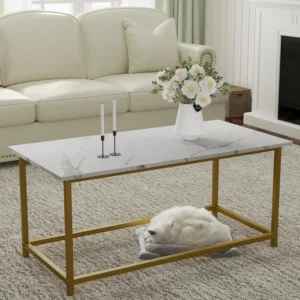
Mid-Century Modern Marble Top Coffee Tables, Mid-Century Modern Rectangular Coffee Tables, Mid-Century Modern White Coffee Tables
Price range: $163.28 through $189.22 Select options This product has multiple variants. The options may be chosen on the product page
Incorporating Nordic Table Design into Modern Spaces
Identifying authentic Nordic table designs begins with recognizing their characteristic elements: clean lines, tapered legs, light-colored woods, and minimal ornamentation. Quality construction reveals itself through smooth surfaces, precise joinery, and thoughtful details that enhance both appearance and functionality.
These tables complement various interior styles through their versatility and restrained aesthetic. In modern minimalist spaces, they provide warm organic elements that soften geometric simplicity. In more traditional settings, they offer contemporary counterpoints that prevent spaces from feeling dated or heavy.
Placement considerations should maximize both functionality and visual impact. Positioning tables where natural light can highlight their wood grain enhances their beauty while maintaining their light-enhancing properties. Allowing adequate space around dining tables ensures comfortable use while showcasing their elegant proportions.
Material and finish selection should consider specific living environments. Homes with children might benefit from the durability of oak with protective finishes, while adult-oriented spaces might showcase the subtle beauty of ash or birch with natural oil treatments.
The features of black mid-century coffee tables demonstrate how Nordic principles can adapt to different color palettes while maintaining their fundamental characteristics of simplicity and functionality.
The Timeless Appeal of Nordic Table Design
Nordic table design has maintained its relevance across generations through an unwavering commitment to principles that transcend passing trends. By focusing on fundamental human needs rather than fleeting stylistic preferences, these designs create lasting value and meaning.
These approaches address contemporary concerns about sustainability and mindful consumption through their emphasis on quality construction, durable materials, and timeless aesthetics. A well-made Nordic-inspired table represents a choice to invest in longevity rather than disposability—an increasingly important consideration in today’s environmentally conscious world.
Beyond aesthetics, Nordic table design principles create meaningful living spaces that support wellbeing through their functionality, natural materials, and human-centered proportions. They foster environments where people gather comfortably, activities flow smoothly, and visual calm allows mental restoration.
This holistic approach to wellbeing through design represents perhaps the most enduring contribution of Nordic table design. By creating pieces that enhance daily life through their thoughtful execution, this tradition continues to demonstrate that beautiful, functional design belongs in every home as part of everyday living rather than as precious objects reserved for special occasions.
At Hearth Forms, we recognize and celebrate these timeless principles that make Nordic-influenced tables such valuable additions to contemporary homes.